We’ve all heard tips for better haircare, but have you ever thought about starting at the roots? Read on to indulge in an exfoliating scalp treatment and uncover the science behind an effective scalp routine, giving you all the knowledge you need to look after your hair health for the long term.
SCALP HEALTH 101: KEY TAKEAWAYS
- Healthy hair starts at the scalp. Just like your skin, your scalp needs regular cleansing, exfoliation, hydration and protection to function at its best.
- Build-up is the root of many hair concerns. Excess oil, product residue and dead skin can weigh hair down, clog follicles and impact growth, shine and styling results.
- A consistent scalp routine makes a visible difference. Simple habits like weekly exfoliation, scalp massages and deep cleansing help rebalance the scalp and support stronger, fuller-looking hair.
- Lifestyle choices matter. Nutrition, hydration, heat usage, sun exposure and hairstyle choices all play a role in long-term scalp health.
- The right tools and products elevate results. Using scalp-focused treatments, personalised heat settings and gentle technologies can protect the scalp while enhancing hair health.
WHY IS LOOKING AFTER YOUR SCALP IMPORTANT?
Scalp care is essential to keep your hair growing and thriving. Aside from the fact it can contain between 90,000 to 150,000 hair follicles, your scalp is no different from the rest of your skin. It has a similar structure and requires regular cleansing, exfoliation, hydration and moisture to stay healthy and continue producing the right number of natural oils, skin cells, and of course – hairs. Before delving into how you can improve your scalp care, here are just some of the benefits a healthier scalp can bring:
Reduced build-up.
Whether it’s product residue, dead skin cells, pollutants, or excess sebum, any lingering residue on the scalp results in dull, ‘heavy’ feeling hair. By taking care of your scalp and detoxing it regularly, you can avoid this from impacting the look and feel of your locks.
Enhanced styling results.
Because build-up weighs your hair down, it can make it tough to create styles that hold. When this product residue is removed, you can create looks that last and make the most of your favourite styling products as they can absorb better into your scalp and strands.
Stimulated hair growth.
Clogged follicles can cause hair thinning, as the growth phase is shortened and hair loss becomes more noticeable. By detoxifying your hair, you encourage new hair growth by renewing your follicles and encouraging them to stay in the growth stage for longer.
Reduced scalp issues.
Scalp care rituals and detoxes are specifically designed to target and rebalance the scalp, relieving itchiness, flakiness, and excess oil production by providing some much-needed breathing space and deep hydration.
Silkier, shinier hair.
Billboard-worthy hair can only be achieved by ridding your scalp and strands of dirt and build-up, replenishing them with hydration, and providing them with a protective layer of moisture to nourish and protect its natural shine.
Reduced odour.
Ever noticed an unpleasant smell coming from your hair? That’s usually down to extra bacteria, which live and feed off the build-up of oils, dry skin, and product residue on your scalp. With a scalp or hair detox, you’ll banish the bacteria and restore your hair to its healthy, sweet-smelling best.
HOW TO IMPROVE YOUR SCALP HEALTH
1. DO A SCALP SCRUB
The best way to is to exfoliate and lift any stubborn debris and dead skin cells that have stuck around. Scalp exfoliation is a key stage in any hair detox. It removes any excess build-up to reveal a fresh layer of skin cells that are ready to absorb moisture from later hydrating products.
Let’s begin:
- Choose a scalp exfoliator product designed to dissolve or buff away unwanted build-up and dry skin. This could be a physical scrub containing natural exfoliating particles like salt or sugar, or a chemical scalp exfoliant containing a BHA (beta hydroxy acid) like salicylic acid. You can even make your own scalp exfoliating scrub from sea salt, honey and olive oil.
- Using your hands or a scalp massage tool, apply the product to your scalp on wet or dry hair, according to the product instructions
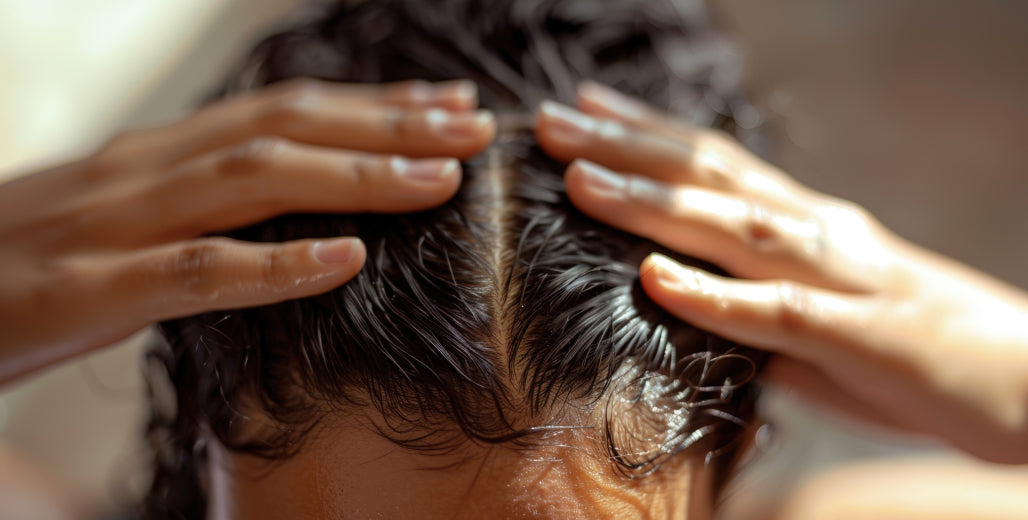
- Massage in a circular motion to remove dead skin cells and promote blood flow to the scalp, paying close attention to the top, back, and sides of your head.
- Rinse according to the product instructions, and follow up with a gentle, moisturising shampoo and conditioner. If using a homemade scalp exfoliant, leave for no more than ten minutes.
2. MASSAGE YOUR SCALP WITH OIL
A scalp massage is the perfect treatment to follow deep cleansing, exfoliation, and hydration. It’s a surefire way to encourage hair growth by stimulating blood flow to the hair follicles, delivering more oxygen and essential nutrients so your follicles stay in their growth phase for longer, creating healthy, dense and voluminous strands. Plus, a moisturising hair oil helps to trap hydration inside your hair.
Here’s how to do it at home:
- Select a hair oil formula that contains natural moisturising oils like coconut, argan, macadamia or olive.
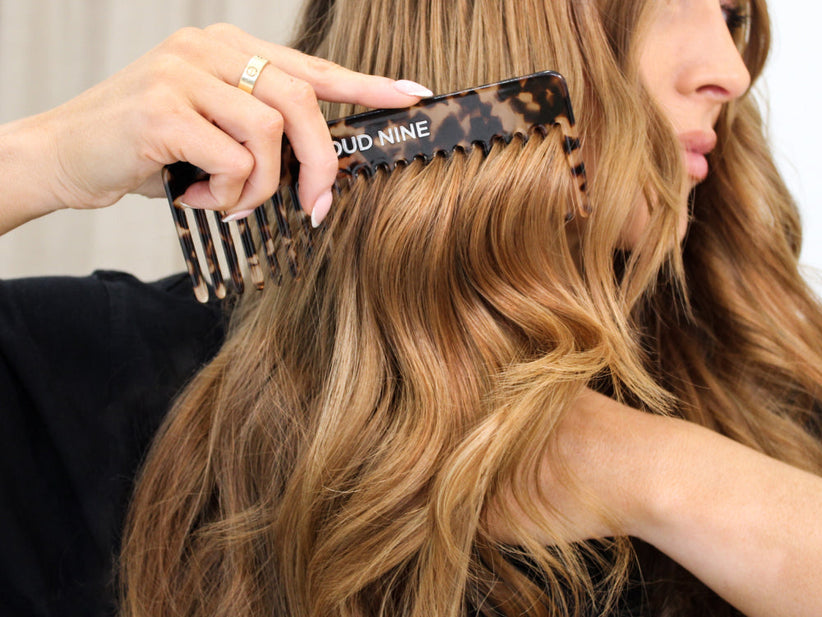
- Detangle your clean, dry hair with the Cloud Nine Luxury Dressing Brush.
- Apply drops of the oil to different areas of the scalp, then massage with your fingertips in circular motions.
- Continue the process for five to 15 minutes, depending on how much time you have to dedicate to today’s detox.
- Rinse the hair oil out with lukewarm water and complete your usual cleansing and conditioning routine.
3. EAT YOUR HAIRCARE
Like most things, beautiful, healthy hair starts with what you’re putting into your body. Staying hydrated and eating more mineral-rich ingredients, such as fatty fish, nuts and seeds, eggs, water-rich foods, can help massively in adding balance to your diet while also increasing your intake of the vitamins essential to maintaining hair and scalp health.
Read our guide on How to Nourish Your Hair From the Inside Out.
4. AVOID TIGHT HAIRSTYLES
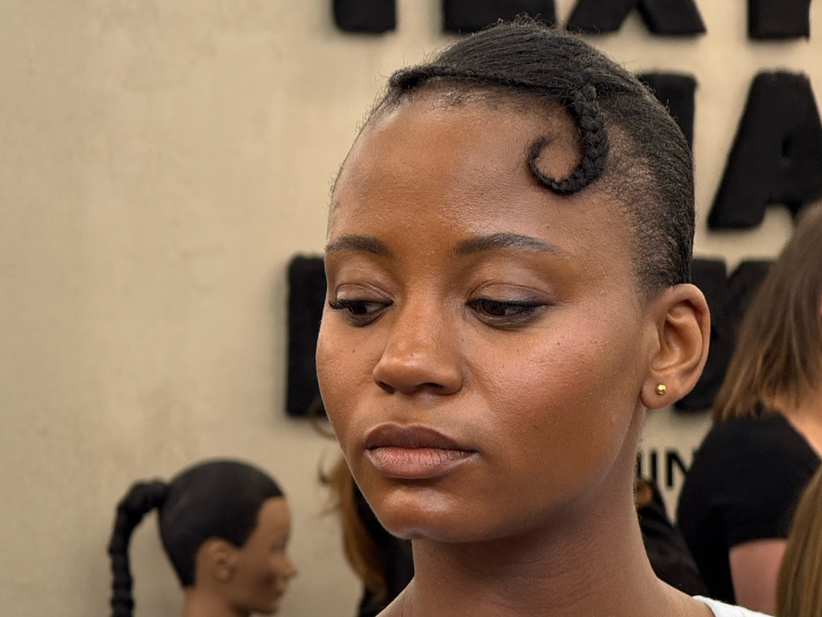
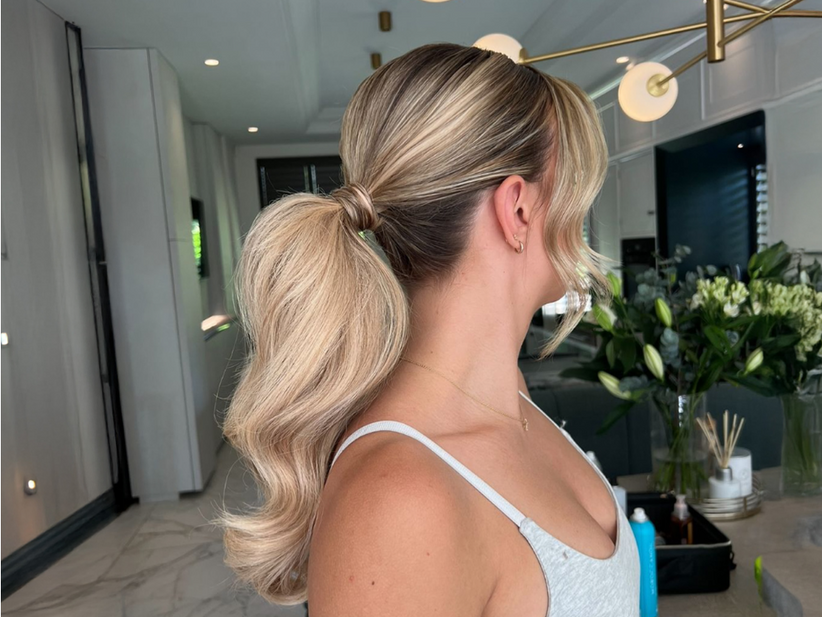
Tight hairstyles can wreak havoc on your scalp if worn too regularly or for long periods of time. So, if you’re an avid fan of a slick-back pony or tightly woven braids looking to improve your hair health, it might be time to find an alternative look.
Check out our 79 Low Maintenance Hairstyles for Every Hair Type guide for inspiration tailored to your hair length.
5. MATCH PRODUCTS TO YOUR HAIR TYPE
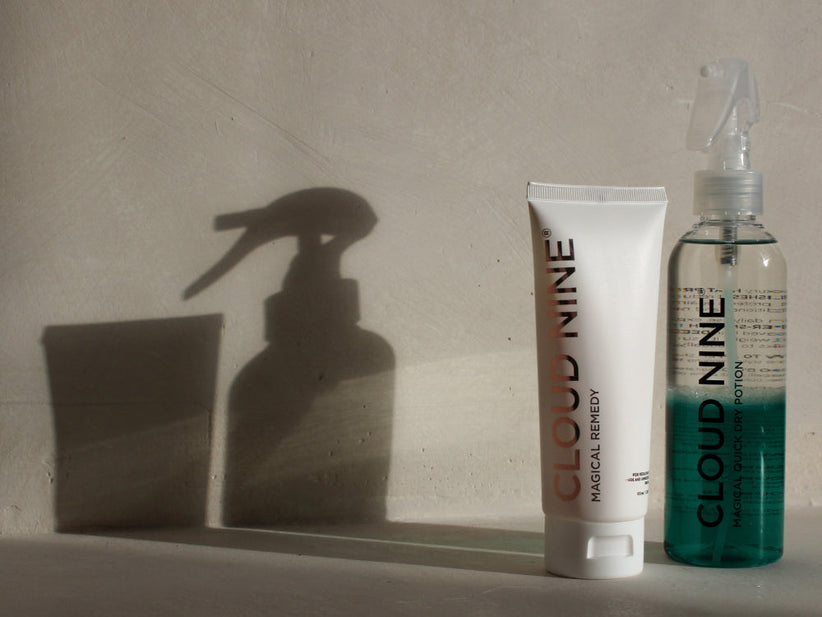
Shampooing and conditioning doesn’t just impact how your hair looks, but how your hair and scalp feel. For oily hair, choose a balancing shampoo and conditioner, and opt for a hydrating duo if you’ve got dry locks. The Cloud Nine Magical Quick Dry Potion acts as a lightweight heat protectant, while Magical Remedy offers an enriching hair mask and serum, packed full of healthy ingredients like collagen, keratin, and amino acids. The perfect duo for all hair types.
6. DO A DEEP CLEANSE ONCE A WEEK
Regular cleansing removes everyday dirt and oil, but over time, product buildup, sweat, and environmental pollutants can accumulate on the scalp. A weekly deep cleanse, using a clarifying or exfoliating shampoo, helps thoroughly remove this buildup, unclog hair follicles, and reset the scalp –creating a healthier environment for hair to grow.
This is especially important if you use styling products frequently, work out often, or have hard water exposure. Be sure to follow up with a hydrating conditioner or treatment to prevent dryness.
7. AVOID EXCESSIVE HEAT
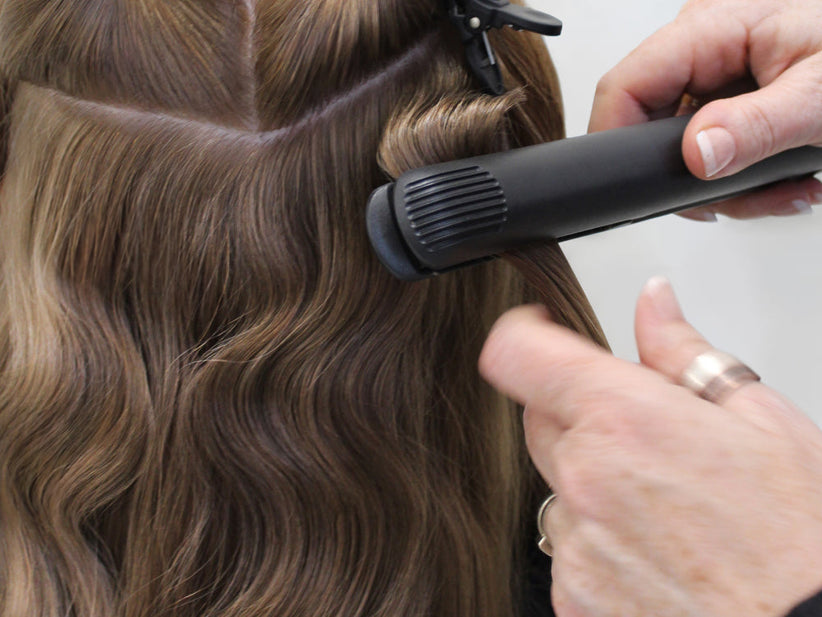
Excessive heat can take a toll on both your hair and scalp. With many hair straighteners, curling wands, and hair dryers engineered with one heat setting, too high for most hair types, daily use can strip hair of its natural moisture, leading to dryness, split ends, and breakage.
Head over to our handy Temperature Calculator quiz to find out your optimum styling heat and get guidance on the right tools for your hair.
8. PROTECT YOUR SCALP FROM THE SUN
Your scalp is skin too, and it’s just as vulnerable to sun damage as your face or body. Prolonged sun exposure can lead to dryness, irritation, flaking, and even sunburn on the scalp, especially along the part line or in areas where hair is thinning. Over time, UV damage can also weaken hair follicles, contributing to breakage, hair thinning, and premature hair aging.
Wearing a hat, scarf, or using a UV-protective hair spray can help shield the scalp from harmful rays when outdoors, and for those with exposed areas, a lightweight, non-greasy SPF formulated specifically for the scalp can provide effective protection without weighing hair down.
9. USE A SCALP-FOCUSED HAIR MASK REGULARLY
Using a scalp mask regularly can improve circulation, support a healthier scalp environment, and promote stronger hair growth over time. Ingredients like aloe vera, clay, tea tree oil, salicylic acid, or nourishing oils can help detoxify, calm, and replenish the scalp depending on your specific needs.
Incorporating a mask into your routine once a week or biweekly can make a noticeable difference, leaving your scalp refreshed and your hair better equipped to grow, thrive, and maintain its natural strength.
BEST TOOLS AND TECHNOLOGIES TO USE FOR A HEALTHIER SCALP
While there are lots of natural ways you can introduce better scalp hair practice into your everyday routine,
- LED light therapy. Red and blue light therapy promotes a healthier scalp by boosting circulation, energising hair follicles, and calming inflammation, leaving hair visibly shinier and fuller with daily use.
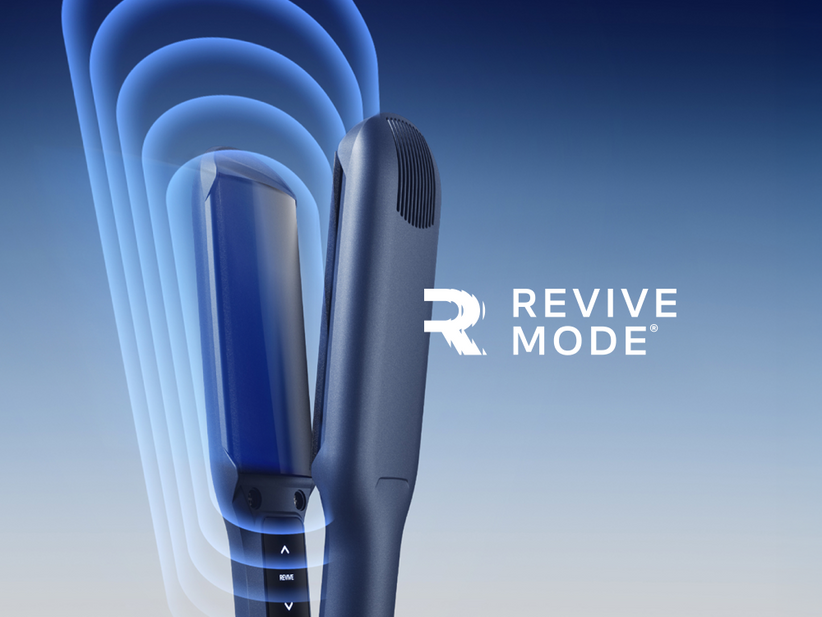
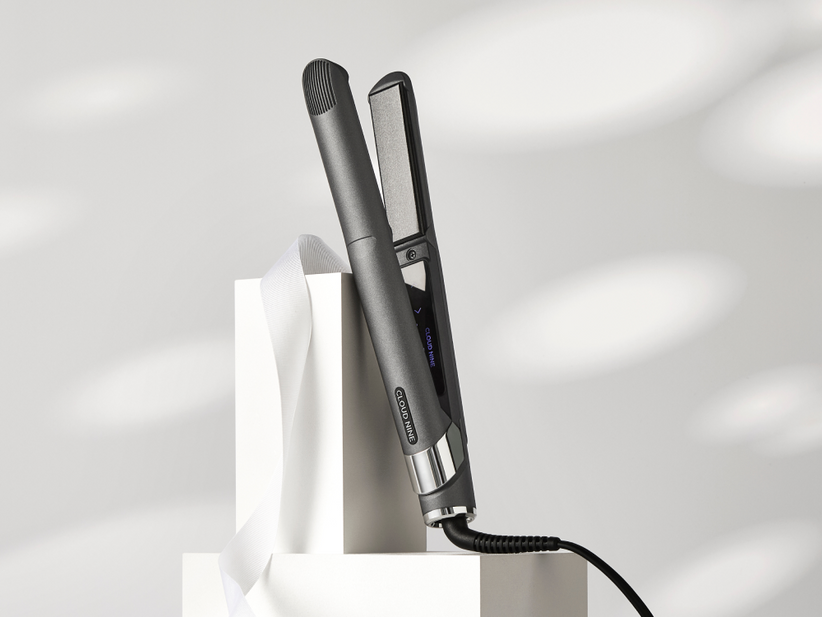
- Revive Mode®. Our advanced hair straighteners use vibrating technology to minimise friction and drag, helping prevent damage and reducing tugging on the scalp for a smoother, more comfortable styling experience.
- Scalp brushes. Massaging scalp brushes gently remove buildup, dead skin, and excess oil to refresh your scalp and unclog hair follicles, boosting circulation and supporting the effectiveness of your existing haircare routine.
- Personalised Temperature Control. Whether it’s 11 heat settings on our straighteners or three on our curling wands and hair dryers, all Cloud Nine tools let you choose the perfect temperature for your hair type – minimising heat damage, protecting your scalp, and keeping hair strong and shiny.
THE BENEFITS OF A HEALTHY SCALP
Apart from looking and smelling clean and fresh, there are many advantages of having a healthy, well-cared-for scalp. Here are just a few of the benefits that come with introducing scalp care rituals:
Reduced discomfort and itching
Feeling uncomfortable in your skin (or in this case, your scalp) is something most of us experience from time to time. Hair follicles are like the pores on your skin. Sebum, sweat, dirt, and products can all get clogged inside, which results in an itchy scalp prone to redness, flaking and irritation. Frequent scalp treatments can provide a soothing relief to help protect your hair from the roots to the very tips.
Balanced sebum production
Ever find your hair gets greasy within a day, leaving you reliant on dry shampoo and messy buns?
It’s most likely because there’s an imbalance in your scalp microbiome which is causing your sebum glands to overproduce. Setting aside some time for scalp care can help solve your hair dilemma, hydrating the scalp to regulate sebum production.
Stronger hair growth
When your scalp thrives, so do your strands. Keeping your scalp hydrated, clean, and nourished with essential vitamins and minerals boosts healthy blood flow, helping your follicles stay in the growth phase for longer for quicker, thicker hair growth.
CAUSES OF SCALP PROBLEMS
Getting the perfect balance of sebum production can be tricky. Sensitive scalps are more common than you might think, especially considering the daily damage they can face. These are some of the most common causes of unhealthy scalp symptoms:
Seasonal changes
As the seasons change, so does your hair cycle. In spring and autumn, you may notice more hair fall than usual, which can leave the hair looking thinner and is often accompanied by both dryness and excess oil production. Environmental factors like exposure to wind, extreme cold, extreme heat, air conditioning and heating can all exacerbate an irritated scalp. Read our guide on seasonal hair shedding to understand more about how your hair changes throughout the year.
Sun exposure
Just like the skin everywhere else on your body, your scalp is vulnerable to UV rays and can become sunburned if not protected. This can lead to painful redness and peeling and can even permanently damage your hair follicles over time. To avoid this, always wear a hat when you know you’ll be exposed to the sun and head for the shade if you can.
Hormonal changes
Hormones impact every area of our body and its functions, and the scalp is no exception. During times in life when hormone activity is increasing, decreasing, or changing – such as puberty, pregnancy, and menopause – you may notice changes to your scalp ranging from increased sebum production to changes in hair texture, to hair thinning.
Excessive styling heat
Straightening, curling, or even blow-drying your hair at an excessively high heat doesn’t just damage your hair strands – it also impacts the way your scalp functions. When hair is left dry, damaged, and dehydrated by extreme heat exposure, the scalp’s follicles will often go into sebum-production overdrive to rehydrate. Unfortunately, this doesn’t improve the texture of your already damaged strands. Instead, it leaves you with greasy roots in addition to frazzled hair.
To avoid this, make sure you’re using the right temperature to style your hair. Use the Cloud Nine Temperature Calculator to find your hair type’s unique heat.
Chemical treatments
Chemical straighteners, dyes and bleaches can cause irritation to the scalp, especially if they’ve not been applied by a professional hairstylist. This can lead to dryness, redness, itching, and in some cases, even allergic reactions. We recommend putting your trust in a hairdresser’s hands when it comes to making big hair changes like going blonde, dyeing it dark, or having a perm.
FREQUENTLY ASKED SCALP CARE QUESTIONS:
Does massaging the scalp stimulate hair growth?
Scalp massages are a great way of improving blood circulation to the hair follicles, which may help create a healthier scalp environment. Some studies suggest that a regular scalp massage could slightly increase hair thickness over time. However, there’s no strong scientific evidence that massage alone can significantly increase hair growth or reverse hair loss, so it’s best integrated as part of a healthier hair routine as a whole. Read more about our top haircare tips here.
How can I get rid of a dry scalp?
To avoid dry scalp, focus on kinder hair care and hydration. Using a mild, sulphate-free shampoo and avoiding washing your hair too often can help avoid stripping the natural oils in your hair. Moisturise the scalp with nourishing oils like coconut or jojoba and make sure to rinse thoroughly to prevent residue buildup. Maintaining a balanced diet, staying hydrated, and protecting your scalp from harsh weather or heat styling can also help restore its natural moisture and reduce dryness over time.
Why is my scalp so itchy?
There are many reasons why your scalp might be itchy – from dry skin and excess oil to product build-up, hormonal changes, or mild infections. But the good news is that most causes are manageable with the right scalp care routine. Gentle cleansing, regular exfoliation, and keeping the scalp well hydrated can help restore balance and relieve irritation.
If itching persists or is accompanied by redness, soreness, or excessive flaking, it may be worth consulting a healthcare professional or dermatologist to rule out underlying conditions and ensure you’re using the most suitable products for your scalp type.
Share your gym-ready hairstyles to our socials: TikTok, Instagram or Facebook.